Postwright Release Note: Shorts From Your Phone
Porting my publishing system into Postwright turned up bugs in my own. Phone shorts are now free in Studio, and setup works on a Mac that isn't mine.
The short videos my own publishing system cuts from my talks were starting as much as 3.4 seconds early, and the posts that went with them were written by an AI that never saw what I'd said in the clip. I found both while porting that pipeline into Postwright, when a check that ran the old prompts and the new ones against the same real talks kept coming back with nothing where the clip's words should have been.
I build tools to run Fieldway, and the ones that hold up become products. The becoming-a-product part turns out to be far more work than building the thing for myself. I learned some of that in July, when friends tried the tools I'd launched and the self-hosted, power-user setup that felt easy to me wasn't easy for them. It was easy for me because I built it for me. Making Postwright work on someone else's Mac meant pulling my brands, folder paths, and accounts out of about 740 places they'd been baked in. It also meant fixing a fresh install that couldn't get past its own password screen, and API keys that were saved in the app but never reached the code that posts.
So I didn't copy the internal version over. Each piece got rebuilt on the way: your brand and voice instead of mine, your choice of AI provider instead of my Claude subscription, approval in the app instead of a Telegram bot only I have. And every time testing turned up a bug in the port, I checked whether my own system had it too. Often it did: caption timing that slipped on clips that open with a pause, words that quietly went missing from transcripts, and a Claude usage limit my system treated as a failure instead of something to wait out. All of that is fixed in my own system now as well, because Postwright found it first.
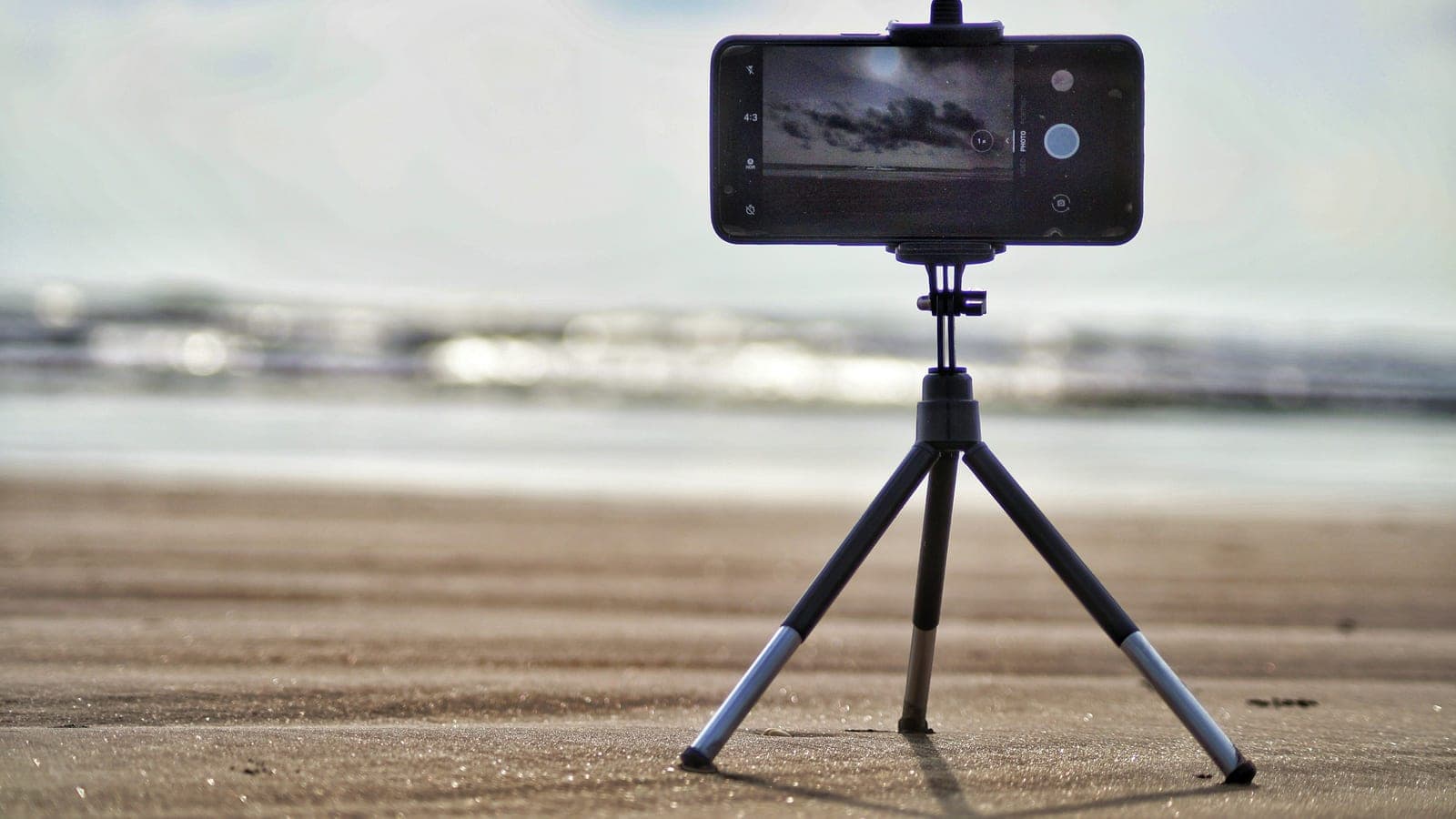
The headline feature is the one I built for myself first: I record a short on my phone, it syncs to a Google Drive folder, and the system transcribes it, burns in captions, drafts the posts, and waits for my approval. When I tested the new copy prompt on a sixteen-second clip about a Wispr Flow hat my wife calls the most dad thing I've done, it padded the post with reactions I never had. So the word counts in that prompt became ceilings.
What changed
- Phone shorts, free in Studio. Save a phone video to a folder that syncs to your Mac – Google Drive, Dropbox, or iCloud – and Postwright transcribes it, burns in captions, and drafts YouTube, Instagram, and LinkedIn copy in your brand's voice. Approve it in the app or in Telegram, and it posts a Short, a Reel, and a LinkedIn video.
- Bring your own AI. An Anthropic, OpenAI, or Google key, or your Claude Code subscription, picked per task with a daily spend cap. Transcription runs on your Mac with mlx-whisper or whisper.cpp, or through OpenAI if you'd rather skip the local models. Rendering still needs ffmpeg, and the system check tells you if it's missing.
- Local transcription without the Terminal. If your Mac doesn't have a speech-to-text engine yet, System check and the phone-shorts settings now have an Install button that sets one up and shows its progress. It needs Homebrew, and the Terminal command is still there if you'd rather run it yourself.
- A setup you can finish. A guided first run walks through your content folder, brand and audience, AI, where posts go, and a phone-shorts inbox, then a system check says what your Mac is missing and how to fix it. The password screen a fresh install couldn't get past is fixed, and so is a crash loop after onboarding.
- Your saved keys get used. Keys entered in the app now reach the code that publishes, instead of only the environment file.
- Shorts that start on time. Renders that carry a start timecode, like DaVinci Resolve's 01:00:00, no longer get cut early, and the copy is written from the words actually in the clip.
- LinkedIn and Threads, working again. Posting and metrics handle LinkedIn's September redesign, and Threads posts fit its 500-character limit.
- None of my setup ships with it. My brands, paths, and accounts are gone from the product, and the build stops if one slips back in.
Postwright 0.3.0 is at postwright.app, and Studio, phone shorts included, is free.

Own your publishing stack
Postwright is a local-first authoring and publishing platform – write markdown on your own machine and publish to your blog, newsletter, and social channels with your own API keys.
Get Postwright