AI Is Coming for the Spreadsheet, Not the Insight.
Designers and researchers are the most anxious about AI. It's coming for the spreadsheet, not the insight — and that changes what you should do next.
I'll start with a confession that makes my point better than any statistic: I used to pay for a research team, and I don't anymore.
Years ago, when I needed real research done, I either had people on staff to do it or I hired outside firms, and it cost a lot. Today I do that work myself, with AI, and it's faster, cheaper, and — this is the uncomfortable part — just as good. I even published a case study about it. So when I tell you that the research and design roles have real reason to be nervous, understand that I'm not theorizing. I'm describing a bill I stopped paying.
That's why this year's tech-worker survey hit me the way it did. Of every role it measured, designers and researchers came out the most anxious — the most AI job-loss fear, the worst-rated managers, the lowest willingness to recommend their field. More than half of researchers said they're anxious about their job security, versus 15% of founders. That's not vague malaise. That's a specific group watching the ground move.
I'm not a designer or a researcher, so I'll hold my take with some humility — the people in those chairs know their craft better than I do. But I've now sat on the buying side of exactly this decision, and I think the fear is aimed at the wrong thing. AI isn't coming for research and design. It's coming for a layer of them.
The spreadsheet layer and the insight layer
Think about what "research" actually contains. Part of it is execution: pulling the data, building the dashboard, running the queries, reading a stack of sources and summarizing them, formatting the deck. And part of it is interpretation: figuring out what the mess of inputs actually means, deciding which question was worth asking in the first place, and translating the answer into something a human can act on.
AI is genuinely excellent at the first layer and genuinely bad at the second. The task-level evidence is consistent about this. McKinsey estimates generative AI could automate activities that eat 60–70% of employees' time, concentrated exactly in knowledge work. Anthropic's own analysis of how people use its models finds the heaviest use is writing, editing, summarizing, extracting — the execution layer, not the judgment. And a Harvard Business School study found something telling: AI assistance raised outcomes for higher-performing people by 10–15% but lowered them for weaker performers by around 8%. The tool doesn't supply the judgment. It multiplies whatever judgment you bring — up if you have it, down if you don't.
So if your job is to build the Tableau tables and export the charts, yes, be worried; that's the layer getting eaten. If your job is to look at a pile of conflicting signals, understand what's really happening underneath, ask the question nobody thought to ask, and make it legible to people who need to act — that job just got more valuable, and AI is a spectacular assistant for doing it.
Telemetry tells you what, not why
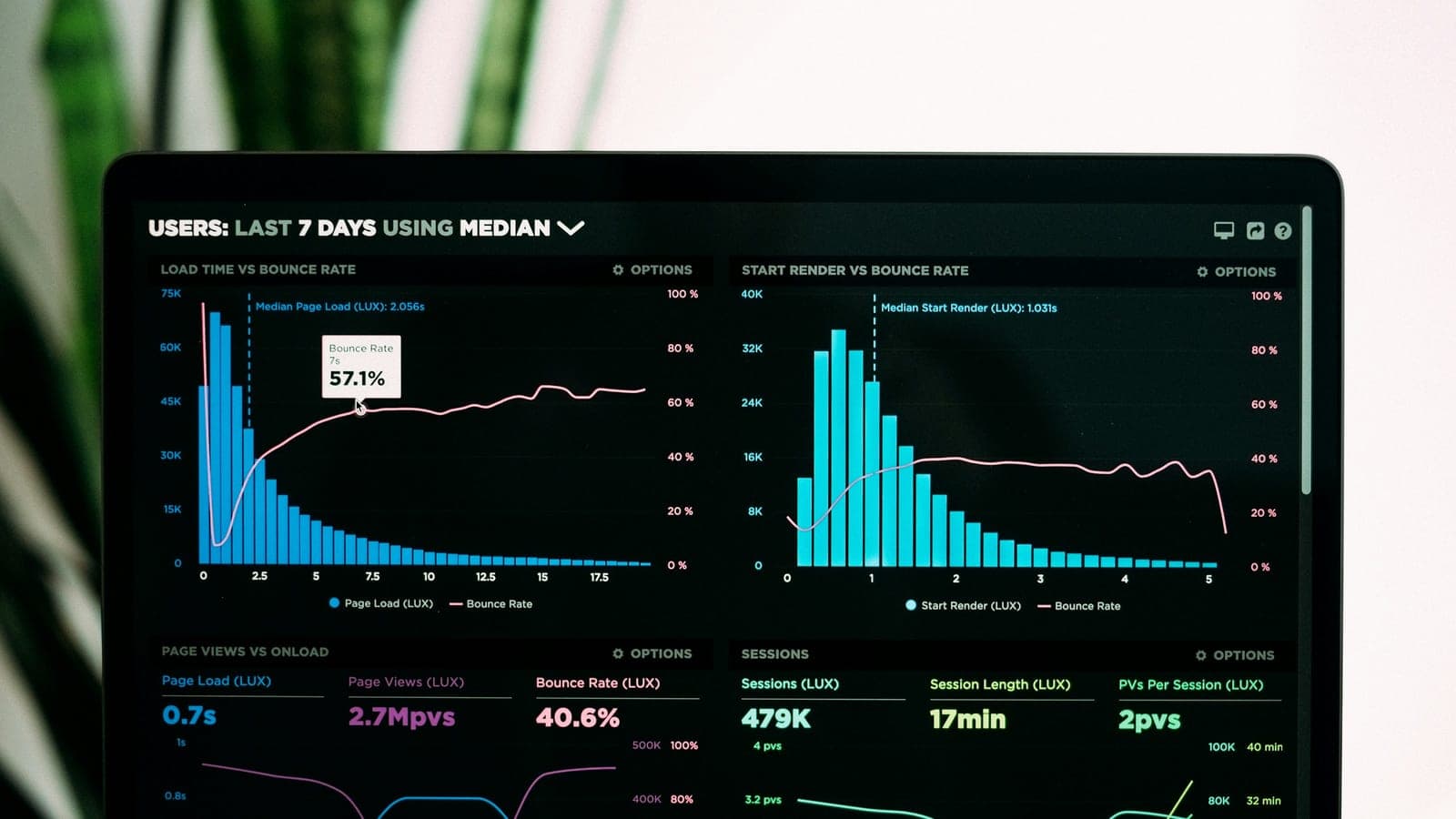
The cleanest way I know to say it: telemetry can tell you what happened. It can't tell you why. Your dashboard can show you that users dropped off on step three; it cannot tell you they dropped off because the copy made them feel stupid. The "what" is increasingly free — AI will generate it all day. The "why" still requires a human who can hold context, read people, and reason about causes. That's where research keeps its value, and it's where design has always lived: not in producing artifacts, but in figuring out what's actually going on behind the screen, with empathy and a point of view.
None of that makes the tool optional. AI is the best thing that's happened to my own research in twenty years — it lets me investigate more, faster, than a whole team used to. But it made me more valuable, not less, precisely because I brought the part it can't do. I have a bachelor's degree in religious studies and two decades of practice at asking questions and interpreting messy human evidence, and it turns out that "useless" humanities training is exactly the durable skill now. Handing someone Tavily doesn't make them a good researcher any more than handing someone a scalpel makes them a surgeon. The fundamentals — what to ask, how to weigh evidence, when the obvious answer is wrong — still have to be learned, and now they're the whole job.
Reposition, or honestly, leave
So here's the twofold thing I'd say to anyone in the anxious group.
If this is the work you want, don't hide your head in the sand. I've talked to a lot of designers who are quietly hoping this passes — that they won't have to build a portfolio, change how they work, or level up. It isn't passing. Look at it straight, and decide: are you going to move up the stack, from producing the artifacts to owning the interpretation, and deliver the kind of value the tool can't? For most genuinely good people, the answer is yes, and the path is real.
But I'll say the other thing too, because almost nobody in a career-advice piece will: it is also completely fine to leave. We get quietly convinced that our accumulated experience traps us — that after a decade in a role, the only rational move is to keep clinging to it. It doesn't, and it isn't. I've watched several people walk away from careers they'd spent years building and come out the other side happier, healthier, and paid perfectly well. One guy I know spent a decade in tech and now delivers mail; he's done it seven years and loves his life. Recognizing that a job has changed into something you no longer want is not failure. It's the same clear-eyed interpretation you'd bring to anyone else's data, finally pointed at your own.
The spreadsheet layer is going. The insight layer isn't — it's getting more valuable, and it's more yours than ever. The only real question is whether you want to keep doing it. (For where craft relocates when the routine gets automated, I wrote about intent being the new constraint.)
More from Consulting Operations
Every Language We Launched Grew 70–120% a Week. The Demand Was Visible Before We Built Anything.
The best market validation is often demand you can already see in what people do. Here's how we found it at CoinDesk before building anything.

Five Months Late, They Expanded the Offshore Team to 60 Engineers. It Got Later.
A late team kept adding people and kept getting slower. Brooks's law explains part of it. What it leaves out is what late teams actually lack.
The Best Product Validation I Ever Got Was a $6.5 Million Quote
A client could afford a $6.5 million training quote and still refused it. That refusal was the best product validation I've ever had.
Want help running a sharper practice?
The reading and synthesis behind your client work, handled – a living deliverable kept current, so more of your time goes where your name is actually on the line.
See how this works for advisors