Your Features Shipped. Your Metrics Didn't Move. The Gap Has a Name.
Your team ships on schedule and the numbers stay flat. That's the build trap — and cheap AI building made it easier to fall into and costlier to ignore.
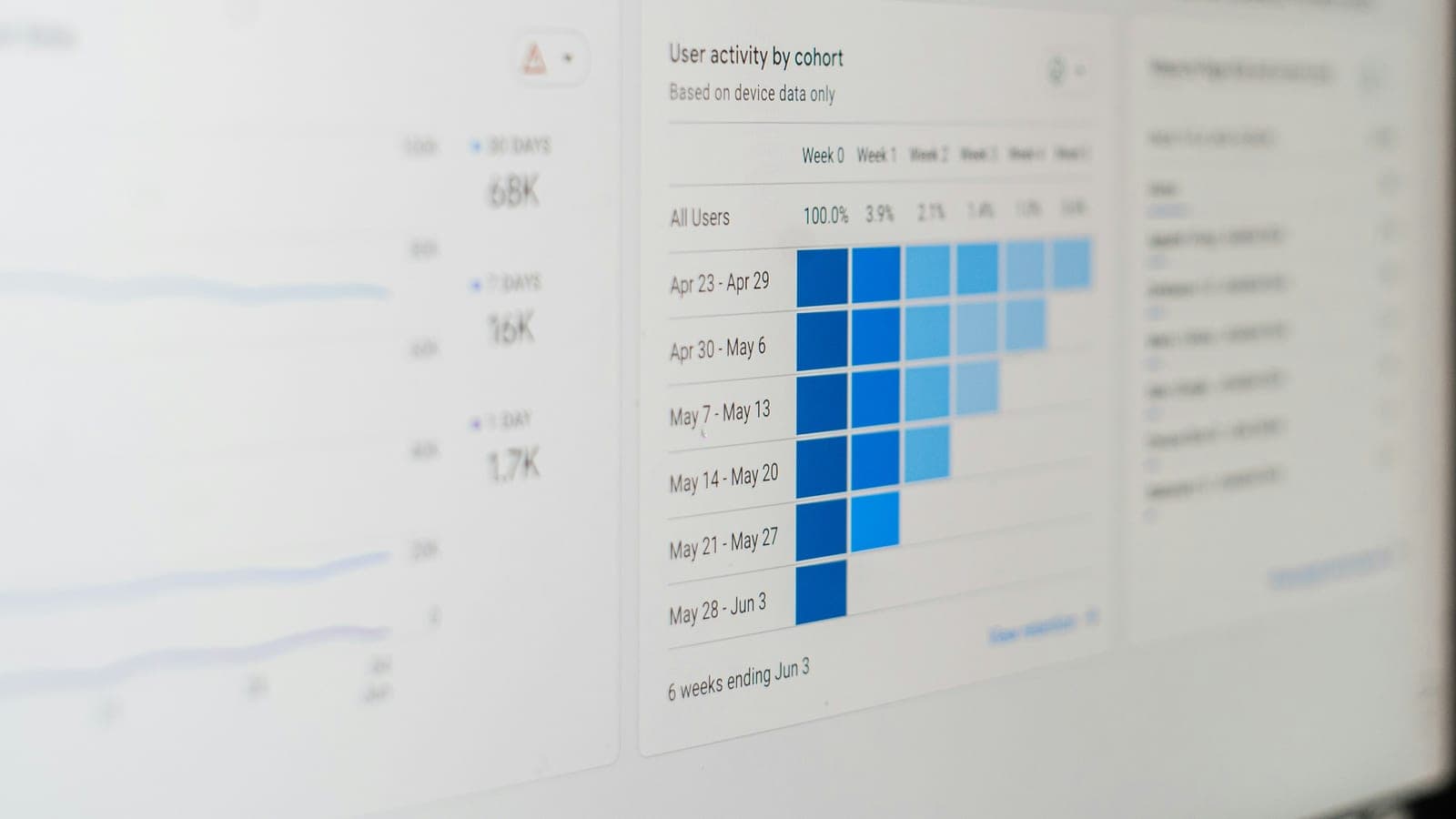
A founder said something to me recently that I've heard, in one form or another, a dozen times this year: his team had shipped everything on the roadmap, on schedule, and the metric they cared about hadn't moved a point. He wanted to know what was wrong with his team's execution.
Nothing was wrong with the execution. That was the whole problem. The features shipped. The dashboard didn't move. And the gap between those two facts is where most of the money in modern software quietly goes to die.
Why "we ship a lot" stopped being an answer
For a decade, shipping speed was a reasonable proxy for progress. If you could get more out the door than your competitor, that felt like an edge. It isn't anymore, because building got cheap for everyone. When anyone can generate, prototype, and release quickly, speed stops being a differentiator – it's table stakes – and the thing it was standing in for gets exposed.
The thing it was standing in for is whether the shipped work actually did anything. The uncomfortable number: across well-run experimentation programs, only about a third of ideas actually improve the metric they were built to move. The other two-thirds are flat or negative. Read that against a team measured by output, and the implication is brutal – if roughly two of every three features don't help, and you're not checking, then most of what a busy team ships is waste shipped with total confidence. It even happens at companies that know better: Microsoft's Bing team once spent more than $25 million building a heavily anticipated feature that, once it was finally evaluated properly, produced almost nothing. Without the measurement, that spend would have been quietly booked as a win.
AI made the trap cheaper to fall into
Here's what changed, and why this is worse now than it was two years ago. Cheap generation removed the natural brake on shipping. When a feature took three weeks of scarce engineering time, the cost itself forced some deliberation. When a feature takes an afternoon, the deliberation feels like drag, so teams skip it and ship on assumption.
And the cost didn't vanish – it moved downstream and out of sight. One analysis of more than a million pull requests found that only 18 cents of every dollar spent on AI coding tools becomes shipped product; the other 82 cents is consumed by the maintenance and rework the same tools accelerate, with 44% of engineering output going to reactive work – fixing and re-fixing rather than building anything new. You're not saving the cost of building the wrong thing. You're paying it later, in a currency that's harder to see on a roadmap.
The bar for building dropped to the floor. The bar for building the right thing didn't move at all. AI shifted one of those and left the other exactly where it was, and most teams are celebrating the wrong one.
Closing the gap
The fix isn't to ship less. It's to close the loop that the build trap never had: decide what outcome a piece of work is supposed to produce before you build it, measure whether the shipped thing actually moved that number, and be willing to kill or rework what didn't. That's the difference between output – features shipped, tickets closed – and outcome – a metric that moved, a problem solved. A team can be genuinely busy and productive by every conventional measure and, if none of it moved a business number, have created nothing at all while feeling accomplished the entire time.
When building was the expensive, scarce step, it made sense to optimize for it. Now that generation costs almost nothing, the scarce skill is the other one – knowing what's worth building, and having the discipline to prove the last thing worked before funding the next. Your features shipping was never the goal. It was only ever a proxy for the goal, and the proxy just got cheap enough to stop meaning anything.
More from Consulting Operations

Docs Were a Top-5 Reason Customers Cancelled. Three Years Later, a Top-5 Reason They Bought.
At Adaptavist, documentation went from a top-five reason customers cancelled to a top-five reason they bought. No new features required.

51% of Software Operators Say Fewer Than 1 in 4 Customers Use the AI They Built
Half of software operators say fewer than a quarter of customers use the AI they built. Building got cheap. Building the wrong thing didn't.
Perdue Tested Concept, Pack and Price Before Air Fryer Wings Shipped. The Platform Crossed Nine Figures.
Perdue validates platform bets with full rigor and runs trend bets in a single batch. Most software teams use one speed for every bet.
Want help running a sharper practice?
The reading and synthesis behind your client work, handled – a living deliverable kept current, so more of your time goes where your name is actually on the line.
See how this works for advisors