71% of Product Teams Are Rethinking Their Strategy. 13% Have Finished.
Most product teams say AI has them rethinking strategy, and few have finished. Here's what an unfinished rethink costs, and what done looks like.
Matthew Stublefield
6 min read
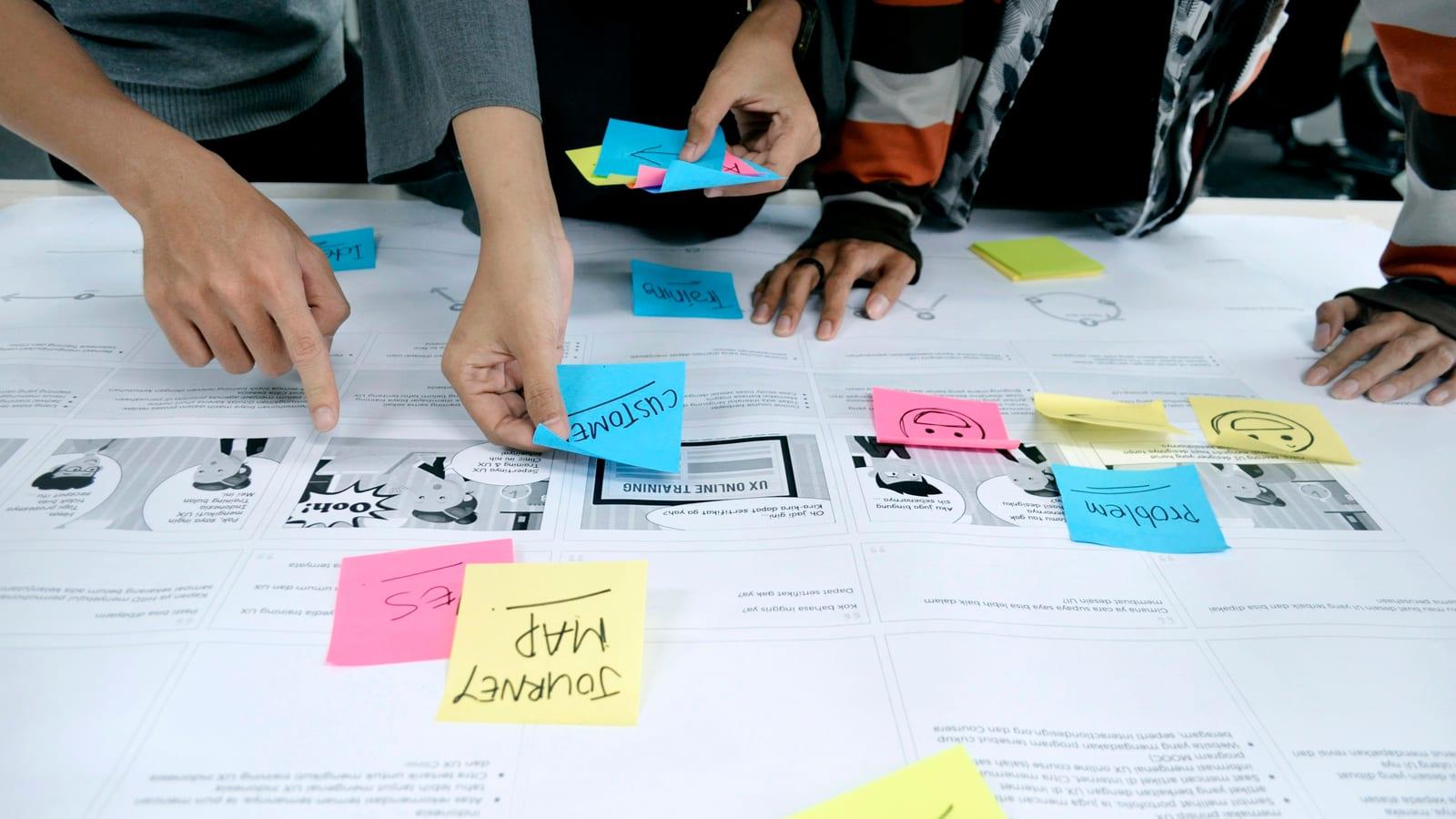
Seventy-one percent of the people who build digital products say AI is making them rethink their product strategy. Thirteen percent say the rethink is largely done.
Those numbers come from Framna's survey of 530 people who design, build, and lead digital products, run in September and published in October. More than a third of them, 37%, said they were rethinking from the ground up, and 81% said the rethink was still in progress. It's a self-selected sample, mostly product designers, and Framna says plainly that small differences should be read as ties. But the gap between 71 and 13 is not a small difference, and it describes something I'd expect a lot of founders to recognize: a strategy that everyone agrees needs to change, that nobody has finished changing, while the team keeps shipping in the meantime.
Building got faster. Deciding didn't.
The same survey has a second gap inside it. Sixty-four percent said their teams ship more than before. Only 43% said they deliver faster than a year ago.
Product Institute's survey of 309 product leaders shows where the speed went. Half of them rated AI's impact on engineering and development as high. Only 17% said the same about strategic planning and roadmapping. AI has made it much cheaper to build things and has done very little for the harder question of which things deserve to be built.
That imbalance has a predictable effect. When building is fast and deciding is slow, teams build while they wait to decide, and the backlog fills with work that was easy to start and hard to justify. An analysis of hundreds of Reddit threads by Ground found practitioners describing exactly that: the time set aside for discovery shrinking to make room for shipping, not the other way around. It's a small, informal study, but it matches what the bigger surveys suggest.
Why a rethink stalls
Framna asked what's slowing teams down, and the answers are worth reading closely. Risk and compliance came first, at 49%, then legacy systems at 43% and data readiness at 34%. But 33% named the speed of decisions, well ahead of the 26% who named skills and capacity.
That one is the most fixable item on the list, and the least likely to get fixed on its own. A strategy rethink stalls for the same reasons any big decision does: nobody owns the call, the question keeps getting reframed, and every new development reopens it. And because the team is still shipping, there's no forcing moment, so "we're rethinking our strategy" can stay true for a very long time without anyone being able to say what's been decided.
It's also comfortable. Building is the path of least resistance in most product organizations, because it feels like progress and nobody has to say no to anything. A cheap yes leads to an expensive no, and "let's keep shipping while we figure out the strategy" is one of the cheapest yeses a leadership team can give itself. The expense shows up later, as a roadmap full of things that made sense under the old strategy and have to be defended, rewritten, or quietly abandoned under the new one.
What a finished strategy actually contains
Part of the problem is that "done" is rarely defined, so nobody can tell when they've reached it. A finished direction doesn't need to be long. In the strategy work I do, it comes down to three things a team can actually use.
Who you're building for. Personas specific enough that a designer can make a decision with them and an engineer can tell when a feature doesn't fit.
Which problems matter most. A ranked inventory of the problems those people have, built from research rather than from whoever argued loudest, including the problems you've decided not to solve.
Where you're investing first. A roadmap organized by themes, with an order and a reason for it.
The part teams most often leave out is the negative space: who the product is no longer for, and which problems it won't take on. Without that, every request from an old customer segment or an old priority still looks legitimate, and the new strategy gets negotiated away one reasonable exception at a time.
That's enough for a team to start writing epics and stories. It isn't enough to estimate, and I'd rather say that out loud than pretend otherwise, because nobody can estimate a theme. Dates come a few weeks later, once the themes have turned into stories engineers can look at. But a team with those three things knows what it's building and why, and it can tell the difference between work that serves the direction and work that just happened to be easy.
The backlog is where an unfinished strategy hides
The clearest sign of a rethink that never finished is a backlog that still reflects the old direction. New work gets added under the new thinking, old work never gets removed, and the team ends up carrying both.
On my very first consulting engagement, I walked into a backlog of 900 issues, unprioritized, with four workstreams running and duplicated effort across them. I started from the top – vision, mission, strategy, what are we actually trying to do here – used that as the filter, and closed everything that didn't match. Hundreds of tickets. I braced for a fight, and nobody was upset, from the VP who sponsored the project to the business analyst who had entered many of those tickets personally. I wrote about what that reaction taught me, and the short version is that people were relieved to have someone make a decision none of them felt authorized to make.
A strategy rethink creates the same situation at a larger scale. If the direction has really changed, a meaningful share of what's queued up was justified by the old one. Until someone goes through it with the new strategy in hand and says what no longer belongs, the rethink exists in slides and conversations, and the team's actual week still follows the old plan.
How to tell you're done
If your team is somewhere in the 81% with a rethink in progress, a few questions will tell you how close you are.
Can someone on the team name, in a sentence, who the product is for under the new strategy, and who it's no longer for? Is there a written list of problems you've chosen not to solve? If you put the current backlog next to the new direction, can people say which items no longer belong, and has anyone removed them? And is there one person who owns the decision, so that a new development gets weighed against the strategy rather than reopening it?
If the answers are mostly no, the rethink isn't finished, however long it's been running. That's fine as long as everyone knows it. It's when a team treats an unfinished strategy as settled, or keeps building at full speed without one, that the shipping gets faster and the direction gets harder to see.
Strategy is a filter, not a plan, and a filter that's still being argued about doesn't filter anything. The teams that finish the rethink will find that faster building works in their favor, because every hour of it points somewhere. The rest will have built a lot this year, quickly.
More Field Notes
- Consulting Operations
Scope Creep Isn't an Effort Problem. The Stalled Migration Shipped When Someone Could Say 'Later.'
A stalled project rarely needs more effort. It needs a smaller launch, a home for the cuts, a date, and someone allowed to say "later."
- Consulting Operations
Enthusiasm Isn't Pull: Rob Snyder's Test for Whether Anyone Will Actually Buy
Most validation interviews measure enthusiasm, which predicts little. Rob Snyder's PULL test asks whether a buyer is stuck on something they must do.
- Consulting Operations
It Was Scoped as a Four-Day Job. The Real Problem Needed Six Months, and It Came In Under Budget.
When the work you were hired for isn't the client's real problem, say so early and with evidence. An honest re-scope builds trust, not suspicion.

Want help running a sharper practice?
The reading and synthesis behind your client work, handled – a living deliverable kept current, so more of your time goes where your name is actually on the line.