Field Notes
Practical writing for product leaders and boutique advisors – on deciding what to build, answering the hard questions, and running a sharper practice.

Don't Announce the New Direction. Lead the Team to It.
A direction announced to a team gets compliance. One the team helped build gets commitment. How to lead people to a change instead of announcing it.

54% of a Room Full of Product Leaders Said Their Default Is to Make Every Call
Most product leaders default to deciding everything themselves. It works at launch, then it makes them the bottleneck. Here's what to do instead.

Mixpanel Shut Down Two Products. Retention Went From 50% to 85%.
Mixpanel didn't fix churn by adding features. It shut down two products, put engineering back on its core, and retention went from 50% to 85%.

How You End a Project Decides Whether Anyone Takes the Next Shot
Teams that get punished for stopping a project stop raising the alarm early. How you end a failed bet shapes whether anyone flags the next one.
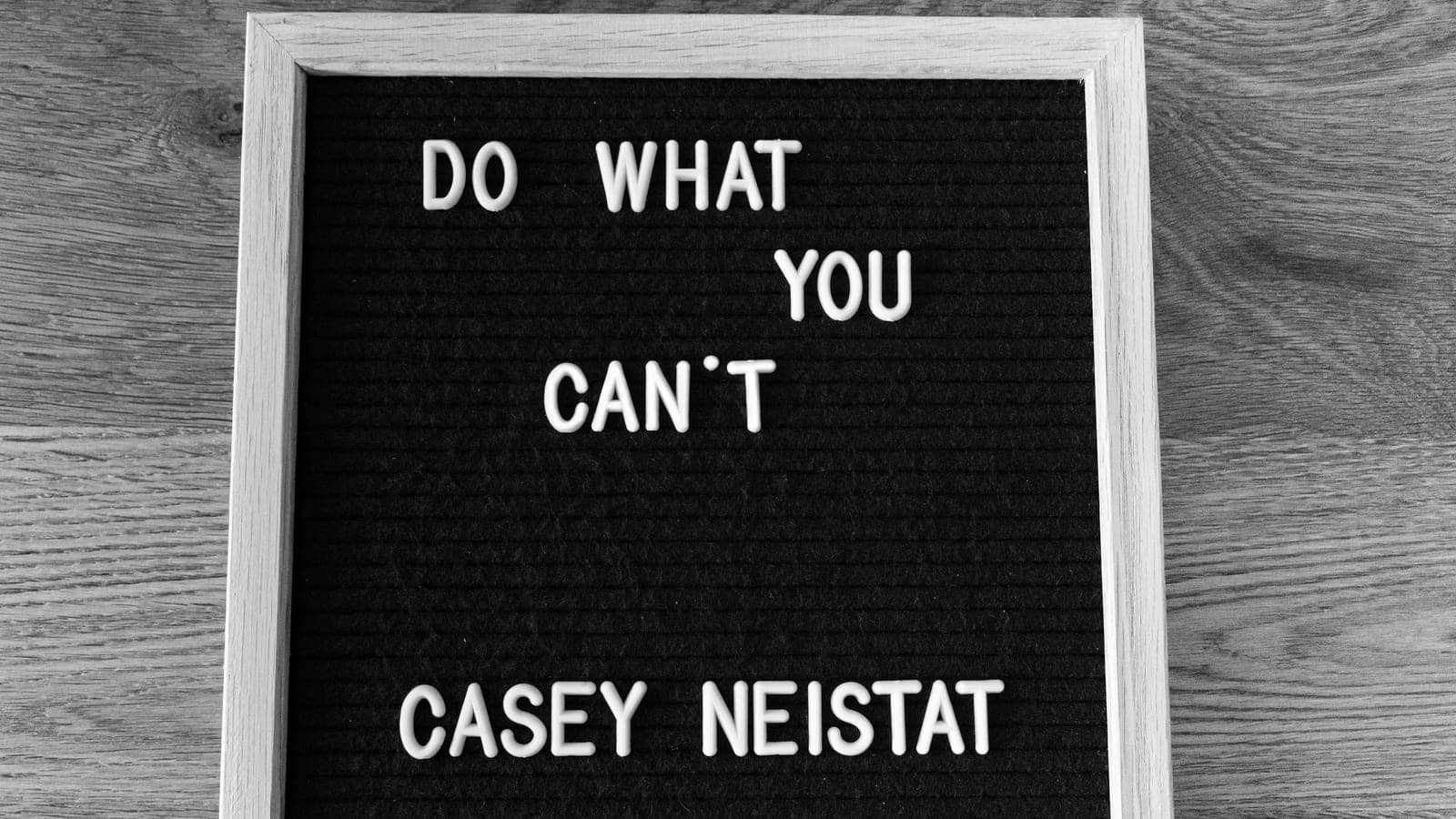
Nobody Can Estimate a Theme. Stop Asking a Strategy for a Ship Date.
A new direction tells a team what to build, not when it'll ship. A date pinned to a theme is a cheap yes. Here's what to ask for instead.

Docs Were a Top-5 Reason Customers Cancelled. Three Years Later, a Top-5 Reason They Bought.
At Adaptavist, documentation went from a top-five reason customers cancelled to a top-five reason they bought. No new features required.

51% of Software Operators Say Fewer Than 1 in 4 Customers Use the AI They Built
Half of software operators say fewer than a quarter of customers use the AI they built. Building got cheap. Building the wrong thing didn't.
Perdue Tested Concept, Pack and Price Before Air Fryer Wings Shipped. The Platform Crossed Nine Figures.
Perdue validates platform bets with full rigor and runs trend bets in a single batch. Most software teams use one speed for every bet.

The Customer's First Answer Is a Solution. So Is ChatGPT's.
Customers answer with solutions, not needs, and AI tools summarizing customer feedback make the same mistake. Here's how to get past both.